Ask anyone about the world’s healthiest places, and you’ll hear Japan or the Mediterranean before Sri Lanka even comes up. It’s a shame, really, because this small tropical island has been quietly practicing Ayurvedic wellness for centuries, and a lot of it holds up just as well as anything you’d read about in a “blue zones” book.
5 Sri Lankan Wellness Habits Worth Adopting
1. Skip the Cereal — Try Kola Kenda Instead
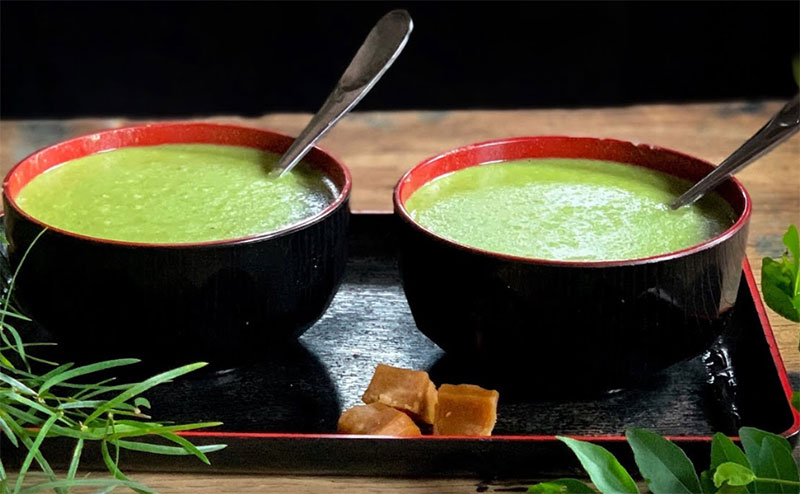
Instead of a bowl of processed flakes, a traditional Sri Lankan breakfast often starts with Kola Kenda: a warm porridge made by blending fresh green leaves (Gotu Kola, curry leaves, or Hathawariya) with red rice and a bit of coconut milk.
It sounds unusual if you’ve never had it, but there’s real logic behind it. On an empty stomach, your body soaks up the vitamins and minerals more efficiently, and the whole thing works like a gentle, natural detox while it wakes up your digestion.
2. Cook With Spices That Do More Than Add Flavor
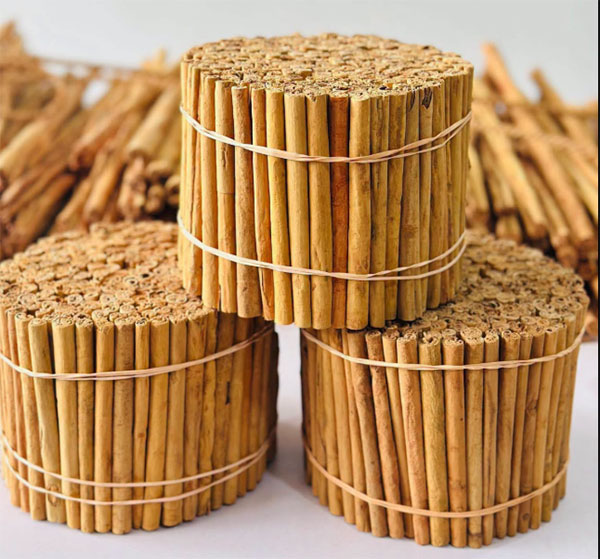
Turmeric, Ceylon cinnamon, black pepper, cardamom, garlic — these aren’t just for taste in Sri Lankan cooking. They’re the backbone of nearly every meal, and they happen to come loaded with health benefits most people don’t think about while they’re cooking.
Turmeric and cinnamon in particular are rich in antioxidants and anti-inflammatory compounds. Eat them regularly and you’re looking at better blood sugar control, lower cholesterol, and some real protection against chronic disease down the line.
3. Choose Red Rice Over White
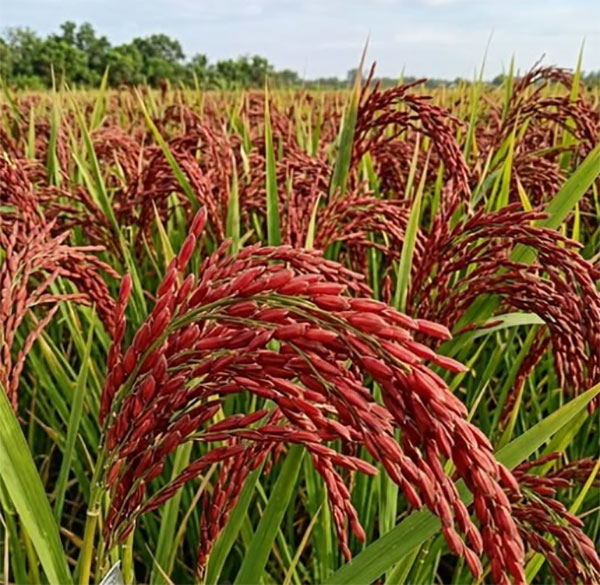
Most of the world eats white rice, which loses a lot of its nutritional value in processing. Sri Lankan meals tend to favor red rice (Rathu Kekulu) instead — it keeps its bran layer, and that’s where the fiber, antioxidants, iron, and zinc actually live.
The payoff: better digestion, easier weight management, and no sudden blood sugar spike right after you eat.
4. Let Plants (and Coconut) Lead the Plate
Sure, Sri Lanka has great seafood. But a typical home-cooked meal is mostly plant-based — leafy greens, lentils, unripe jackfruit, all brought together with coconut milk or coconut oil.
That combination — plants plus the healthy fats in coconut milk — supports your heart, keeps your energy steady through the day, and helps your metabolism run the way it should.
5. Reach for Herbal Tea First
When something small comes up — a cold, a bit of fatigue, an upset stomach — the go-to in a lot of Sri Lankan homes isn’t a pill. It’s King Coconut water, ginger tea, or Samahan, a traditional blend of 14 herbs.
Coconut water works like a natural electrolyte drink, great for hydration, while the herbal teas give your immune system a lift without reaching for synthetic supplements.
Summary of Sri Lankan Wellness Habits
| Wellness Habit | Core Component | Primary Health Benefit |
| Kola Kenda | Leafy Greens & Red Rice | Gut Health & Natural Detox |
| Red Rice | Unpolished Whole Grains | Blood Sugar Balance & High Fiber |
| Ayurvedic Spices | Cinnamon, Turmeric, Pepper | Immune Support & Reduced Inflammation |
| King Coconut | Natural Electrolyte Water | Optimal Rehydration & Kidney Support |
| Herbal Teas | Ginger & Coriander Infusions | Cellular Protection & Vitality |
Quick Reference
| Habit | Main Benefit | Easy Swap |
|---|---|---|
| Kola Kenda | Detox & immune support | Trade your morning coffee or cereal for herbal porridge |
| Spiced meals | Less inflammation | Cook daily with turmeric, black pepper, and cinnamon |
| Red rice | Better blood sugar, more fiber | Switch white rice for unpolished red or brown rice |
| Plant-based meals | Better gut health | Fill half your plate with greens and lentils |
| Herbal drinks | Hydration & recovery | Pick coconut water or ginger tea over soda |
How to Make Kola Kenda at Home
Ingredients
- A large bunch of green leaves (about 100g) — Gotu Kola, spinach, or baby kale
- Red rice or brown rice: ½ cup
- Water: 3 cups
- Thick coconut milk: ½ cup
- Garlic: 2–3 cloves, peeled
- Fresh ginger: one small slice (about ½ inch)
- Salt: ½ tsp, or to taste
Instructions
Cook the rice base. Rinse the rice well, then add it to a pot with the water, garlic, and ginger. Bring to a boil, lower the heat, and let it simmer for 20–25 minutes until fully soft.
Make the green juice. Wash the greens, chop them roughly, and blend with ½ cup of cold water until smooth. Strain through a fine sieve or cheesecloth. Set the juice aside.
Mash it up. Once the rice is soft, remove the ginger and mash the rice and garlic right in the pot.
Add the coconut milk. Stir in the coconut milk and salt, then let it simmer for 2–3 minutes.
Stir in the herbal juice last. Turn the heat all the way down, pour in the green juice while stirring, and warm it through for 1–2 minutes until it turns bright green. Don’t let it boil at this point — boiling destroys the nutrients you just extracted.
Serve. Ladle it warm into bowls, traditionally alongside a small piece of jaggery (palm sugar) or a dried date.
Common Questions
When should I drink it? First thing in the morning, on an empty stomach — that’s when you get the most out of it.
Do I need red rice specifically? No. Brown rice, white rice, or even rolled oats work as an easy substitute.
Is Ceylon cinnamon really different from what I buy at the store? Yes. Most store-bought cinnamon is Cassia, which has much higher coumarin levels than Ceylon (“true”) cinnamon. Ceylon is the safer everyday choice.
Can I drink it daily? Yes — just rotate your greens so you’re getting a variety of nutrients rather than the same one every time.
Why serve it with jaggery? Jaggery balances out the earthy, slightly bitter taste of the greens, and adds natural iron and energy without the harsh sugar crash refined sugar gives you.
Sources
- Gotu Kola / Kola Kenda: Nutritional Properties and Plausible Health Benefits, ScienceDirect · Gotu Kola benefits and side effects, Healthline
- Turmeric, black pepper & blood sugar: Turmeric and black pepper on postprandial glycemia, NIH/PMC · Spice It Up, Johns Hopkins Diabetes Guide
- Red rice / rice bran fiber and antioxidants: Rice bran nutrition and health promotion, ScienceDirect
- Coconut milk & MCTs: Coconut Milk: Health Benefits and Uses, Healthline
- King coconut water (Thambili) & electrolytes: King coconut, Wikipedia
- Ceylon cinnamon vs. Cassia cinnamon (coumarin content): Acute effect of Ceylon cinnamon extract on postprandial glycemia, NIH/PMC
Worth noting: research on some of these — gotu kola and turmeric especially — is still described as promising rather than fully proven, so it’s fair to frame these as traditional wellness habits backed by early evidence, not medical guarantees.
What are the most healthy daily habits in Sri Lanka?
The most healthy daily habits include drinking fresh green herbal porridge (Kola Kenda) in the morning, consuming unpolished red rice with spice-infused plant dishes, rehydrating with King Coconut water, and incorporating Ayurvedic herbs into daily teas.
How to drink kola kenda for best health benefits?
For maximum nutrient absorption, drink Kola Kenda warm in the morning on an empty stomach. Traditionally, it is consumed alongside a small piece of natural jaggery (unrefined palm sugar) to balance the earthy flavor of raw green herbs.
Why is traditional sri lankan food healthy?
Traditional Sri Lankan cuisine relies on whole, unrefined ingredients like red rice, fresh coconut fats, and raw spices. Because dishes are prepared with medicinal ingredients like turmeric, garlic, and cinnamon, the food naturally reduces inflammation and supports digestive health.