
Planning a trip to Kandy? Learn about the Temple of the Tooth, daily puja ceremonies, the Esala Perahera, entry fees, dress code and how many days you really need.
Sri Lanka has plenty of beautiful places, but few of them feel like Kandy. Hills wrap around the city, a calm lake sits at its centre, and the whole place carries a religious and cultural weight you notice almost immediately. It’s far more than a pretty hill-country stop. If you want to understand Sri Lanka beyond the beaches, wildlife and scenery, this is where you start.
Maybe you’re coming for religion, for history, or just for an experience that stays with you after the trip. Whichever it is, put Kandy on your itinerary.
Why Is Kandy Called the Sacred City of Sri Lanka?
The name comes from two things: its deep ties to Buddhism, and its history as the seat of the island’s last independent kingdom.
The city was once known as Senkadagalapura. It was the final capital of the Sinhala kings before the British took over in 1815. During those centuries Kandy became a hub for Buddhist learning, religious tradition, the traditional arts and royal ceremony.
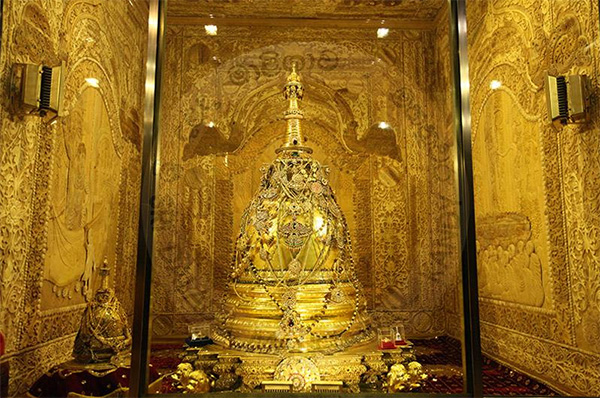
The city’s greatest treasure is the Sacred Tooth Relic of Lord Buddha, kept at Sri Dalada Maligawa, better known as the Temple of the Tooth. For Buddhists, the relic is a powerful symbol of faith. Historically, whoever held it also had a strong claim to legitimate kingship.
Today Kandy still draws pilgrims, cultural travellers, historians and international visitors. UNESCO recognised the Sacred City of Kandy as a World Heritage Site in 1988 because of its historical and religious importance. You don’t have to hunt for the spiritual side of the city. Temples, shrines, offerings, ceremonies and Buddhist celebrations are woven into daily life.
The Temple of the Tooth: Kandy’s Spiritual Heart
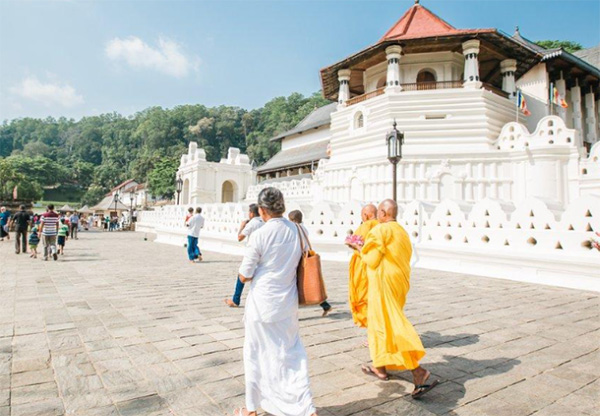
You can’t really say you’ve visited Kandy without seeing Sri Dalada Maligawa. It’s one of the most important Buddhist sites in the world, and it houses the tooth relic traditionally believed to belong to Gautama Buddha.
According to Sri Lankan historical tradition, the relic was brought from India during the reign of King Kithsiri Meghavanna in the fourth century CE. Princess Hemamala and Prince Dantha are the two names linked with that journey. Over the centuries the relic came to stand for religious authority and royal power. As the capital shifted, the relic moved between royal cities until it eventually reached Kandy.
Now the temple sits right beside Kandy Lake and remains the city’s most significant religious landmark.
What Makes It Special?
It isn’t a museum piece or a photo stop. It’s a living place of worship, and ceremonies carry on throughout the year. While you’re there you can expect to see:
- Traditional Buddhist puja ceremonies
- Offerings of fresh flowers and incense
- The sound of Kandyan drums
- Religious decorations and ancient architecture
- Historical museums and cultural artefacts
- Devotees praying and paying their respects
What stuck with me most is watching local people at the temple. Many come to offer flowers, light lamps, say prayers and ask for blessings for their families. If you want to see what role Buddhism plays in Sri Lankan society, this is about the best classroom there is.
What Is Puja at the Temple of the Tooth?
Puja is an act of devotion, a way Buddhists show respect and reverence. At the Temple of the Tooth the daily worship ceremonies are called Thewawa. They bring together offerings, religious observances and music.
There are three main services each day:
| Ceremony | Official time |
|---|---|
| Early morning service | 5:30 AM – 7:00 AM |
| Middle morning service | 9:30 AM – 11:00 AM |
| Evening service | 6:30 PM – 8:00 PM |
These times come from the temple’s official visitor information. During the services, drummers play rhythmic music while devotees gather to offer flowers and pray. If you’ve never seen a Buddhist ceremony up close, it can be a genuinely moving experience.
One thing to know before you go: visitors don’t normally see the actual relic. The inner chamber is protected and access is restricted. When the shrine is ceremonially opened, devotees pay their respects to the sacred shrine itself.
The Kandy Esala Perahera: Faith and Culture on Parade
Of all the religious and cultural events in Sri Lanka, the Kandy Esala Perahera is probably the most spectacular. It takes place every year during the month of Esala, generally in July or August, following the traditional lunar calendar. The festival honours the Sacred Tooth Relic through a series of processions through Kandy’s streets, and thousands of locals and international visitors come to watch.
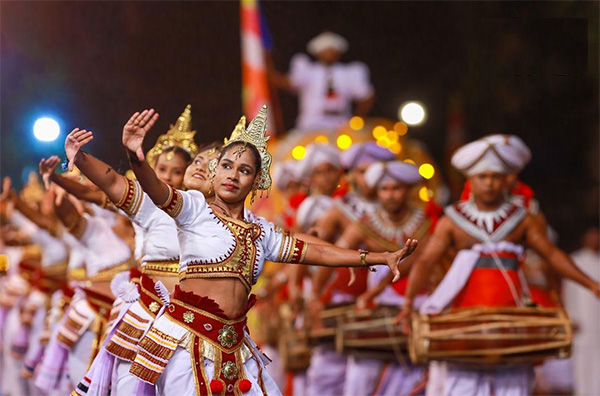 The Kandy Esala Perahera – A Celebration of Faith and Culture
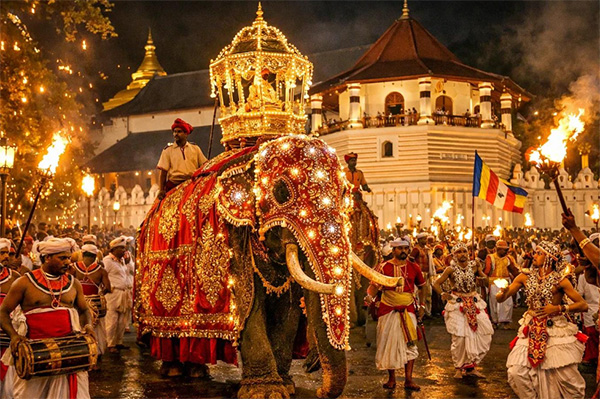 The Kandy Esala Perahera – A Celebration of Faith and Culture
What You’ll See
The procession pulls together many strands of Sri Lankan tradition:
- Beautifully decorated elephants
- Kandyan dancers
- Drummers playing ancient rhythms
- Fire dancers and torch bearers
- Traditional flag bearers
- Religious representatives and ceremonial officials
- Colourful costumes and cultural performances
Traditionally the procession has five main parts: the Dalada Maligawa procession, plus four Devale processions dedicated to Natha, Vishnu, Kataragama and Pattini.
Don’t think of it as a show put on for tourists. It’s a religious observance tied to the history, beliefs and traditions of the local community.
When Should You Go?
The festival usually falls in July or August, but the exact dates change every year. It runs for several nights, and the grand Randoli Perahera is one of the main highlights.
If you want to catch it, a few things will help:
- Check the official festival schedule before you travel.
- Book accommodation well in advance.
- Get there early to secure a decent viewing spot.
- Respect religious customs and local traditions.
- Expect crowded streets and temporary traffic restrictions.
The Kandy Esala Perahera Official Website has schedules, routes and details of the celebrations.
Other Religious Places Worth Visiting in Kandy
The Temple of the Tooth gets most of the attention, but Kandy has several other places that show the city’s spiritual and cultural side.
1. Bahirawakanda Vihara Buddha Statue
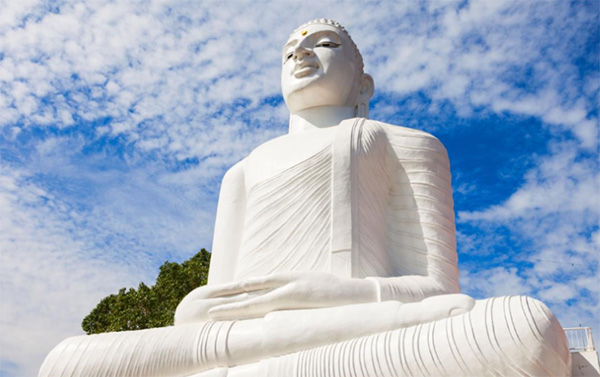 Bahirawakanda Vihara Buddha Statue
This white Buddha statue is one of Kandy’s most recognisable landmarks. It stands on a hill above the city and you can spot it from many parts of town. Visitors like it for the panoramic views of the city, the surrounding mountains and Kandy Lake. It’s a calm spot for reflection and photos. It’s an active religious site, though, so dress and behave respectfully.
2. Lankatilaka Raja Maha Viharaya
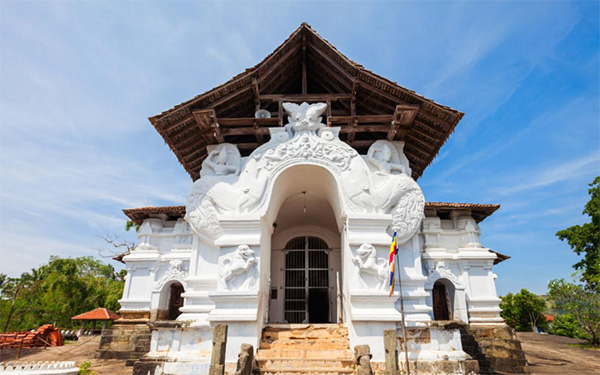 Lankatilaka Raja Maha Viharaya
This historic Buddhist temple lies outside central Kandy. It’s known for its traditional architecture, beautiful paintings and historical importance. It was built during the Gampola period and reflects the architecture and art of medieval Sri Lanka. Inside you’ll find religious paintings, Buddha images and decorative features that show the skill of earlier generations. If you’re into Sri Lankan history or Buddhist art, it’s well worth the trip.
3. Gadaladeniya Raja Maha Viharaya
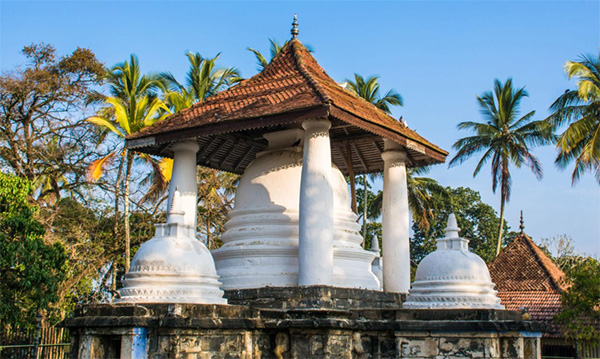 Gadaladeniya Raja Maha Viharaya
Another important temple, Gadaladeniya is known for its stone construction and distinctive South Indian architectural influences. That mix reflects the historical relationship between Sri Lanka and its South Asian neighbours. The peaceful setting and the old-world atmosphere make it a good stop if you’re exploring the region’s religious heritage.
4. Embekka Devalaya
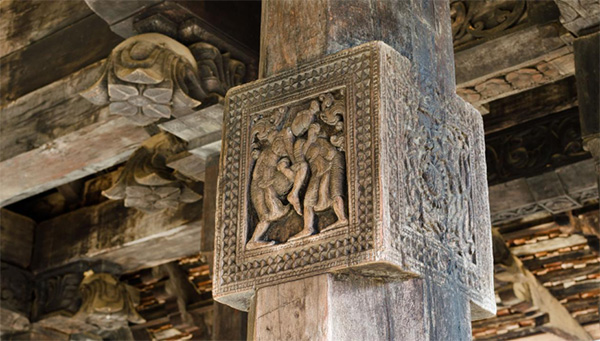 Embekka Devalaya
Embekka is famous for its remarkable wooden carvings. Plenty of temples are known mainly for their religious role, but Embekka is also celebrated for outstanding craftsmanship. The wooden pillars carry detailed carvings of animals, dancers, floral patterns and decorative designs, showing what Sri Lankan craftsmen could do in the Kandyan period. Architecture, history and heritage fans will love it.
5. Natha, Vishnu, Kataragama and Pattini Devales
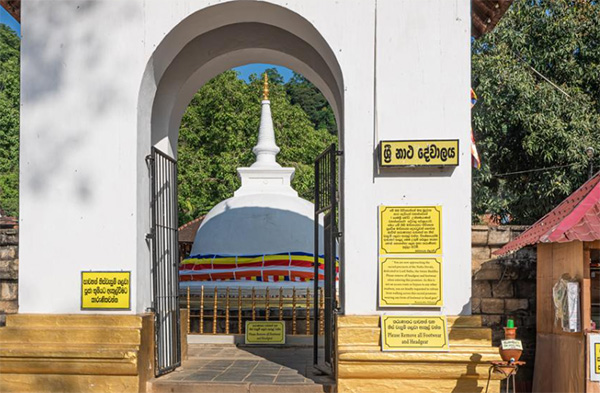 Natha Devalaya
Kandy also has several important Devales, which are traditional shrines dedicated to deities:
- Natha Devalaya
- Vishnu Devalaya
- Kataragama Devalaya
- Pattini Devalaya
These shrines are closely linked to the annual Esala Perahera and show the relationship between Buddhist and Hindu-rooted traditions in Sri Lankan religious culture. Visiting them gives you a fuller picture of the island’s religious diversity.
A City of Flowers, Prayers and Traditions
What I find most appealing about Kandy is that its religious identity isn’t confined to famous temples or yearly festivals. You see it in ordinary life.
Early in the morning, devotees carry baskets of fresh flowers towards the temples. White lotus, colourful water lilies and jasmine are common offerings. Some people stop at a temple before starting their day, and others come in the evening to meditate, make offerings or join religious observances. Temple bells, drums and chanting give the city a feel that’s very different from the commercial bustle of other Sri Lankan cities.
Why Flowers Matter in Buddhist Worship
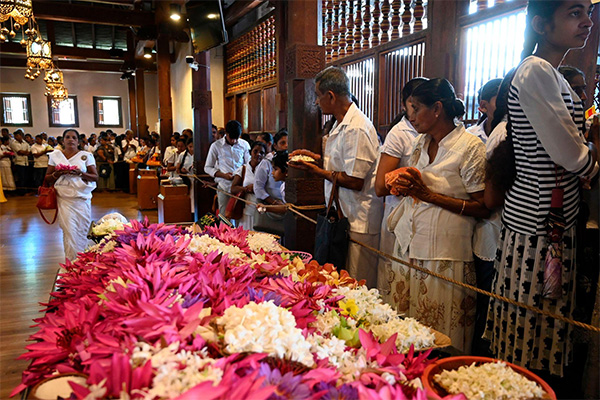 Flowers Matter in Buddhist Worship
Flowers carry real meaning in Buddhist tradition. Devotees offer lotus and other fresh flowers as a sign of respect for the Buddha. They also stand for the temporary nature of life: just as a beautiful flower eventually fades, everything in the world is subject to change. It’s a simple offering with a deeper message about impermanence, mindfulness and understanding life.
Oil Lamps and Incense
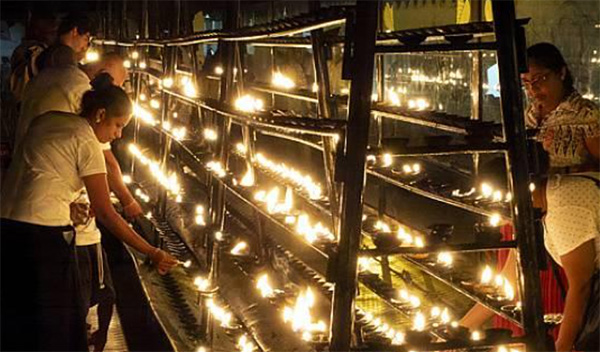 Oil Lamps
Lighting an oil lamp is another common practice in Sri Lanka. The light symbolises wisdom and the removal of darkness and ignorance. Incense is part of religious offerings too, and it adds a peaceful atmosphere to the temple grounds. If you’re a traveller, watching these traditions respectfully is a good way to understand the values behind Sri Lankan culture.
Kandy Lake: A Calm Landmark Beside the Temple
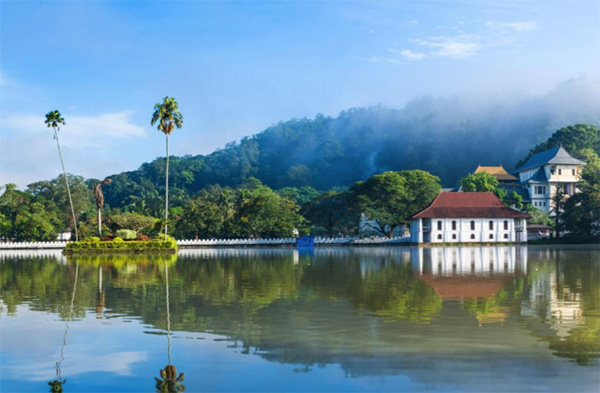
Right next to the Temple of the Tooth, Kandy Lake is one of the city’s most attractive spots. It’s also known as Kiri Muhuda, which means the Sea of Milk. The artificial lake was created during the reign of King Sri Wickrama Rajasinghe, and it adds to the peaceful setting around the temple.
A walk around the lake is probably the easiest way to enjoy the city. Along the way you can take in:
- Views of the Temple of the Tooth
- Green hills around the city
- Traditional buildings and historical landmarks
- Local birds and natural scenery
- A relaxing walking route away from the busy streets
Early mornings and late afternoons are the nicest times to go. Photographers get some lovely shots here, especially when the hills are reflected in the water.
The Royal History Behind Kandy’s Religious Importance
To see why Kandy matters so much religiously, you have to look at its royal past. Kandy was the last capital of the Kingdom of Kandy, which stayed independent until the British took control in 1815. Unlike many ancient Sri Lankan cities, Kandy held on to its independence for centuries, even though European colonial powers repeatedly tried to conquer the kingdom.
The Sacred Tooth Relic was central to the kingdom’s political and religious identity. In traditional Sri Lankan history, holding the relic was tied to a ruler’s authority, so protecting it was a key duty of the monarchy. The royal palace complex and the Temple of the Tooth became closely connected.
Even now, you can see the historical relationship between the Buddhist clergy, the former royal administration and the city’s religious institutions in traditional ceremonies and cultural practices. That mix of religion, history and architecture is what makes Kandy so interesting.
The Cultural Heritage of Kandy
Kandy isn’t just a centre of worship. It’s also a home for traditional Sri Lankan culture. The Kandyan Kingdom helped preserve many forms of traditional music, dance, craftsmanship and ceremonial custom, and some of these are still performed at religious festivals and cultural events.
Kandyan dancing is one of the best-known forms of traditional Sri Lankan dance. Its energetic movements, elaborate costumes and rhythmic performances reflect centuries of cultural development. It’s especially associated with the Kandy region and is an important part of the Esala Perahera.
Traditional drumming plays a central role in religious ceremonies and cultural celebrations. You’ll often hear Kandyan drums during temple ceremonies and special occasions. This isn’t just entertainment. It’s connected to traditional rituals and cultural identity.
Traditional clothing is another important part of the region’s heritage. The ceremonial costumes worn by dancers, drummers and religious officials are often richly decorated and reflect the craftsmanship of earlier generations. At cultural performances or the Esala Perahera, you can see them up close.
Best Time to Visit Kandy
You can visit Kandy all year, but the best time depends on what you want out of the trip. If you’re mainly interested in religious culture, traditional ceremonies and the Esala Perahera, July and August are the months to aim for. If you’d rather have a quieter experience, going outside the festival period is usually more comfortable.
Here’s a rough guide:
| Period | What to expect |
|---|---|
| January–March | Often suitable for sightseeing and cultural exploration |
| April | Sinhala and Tamil New Year celebrations and local traditions |
| May–June | Religious observances and quieter sightseeing periods |
| July–August | Esala Perahera season, with large crowds |
| September–October | Cultural sightseeing and temple visits |
| November–December | A mixture of sightseeing and occasional wet weather |
Weather varies, and rain is possible throughout the year in the hill country. If you’re planning around the Esala Perahera, check the official dates, because the festival follows the lunar calendar.
How to Visit the Temple of the Tooth
A little preparation makes the visit smoother.
Opening Hours
According to the temple’s official visitor information, it’s open daily from 5:30 AM until 8:00 PM. Daily worship ceremonies run at these times:
- Morning: 5:30 AM – 7:00 AM
- Mid-morning: 9:30 AM – 11:00 AM
- Evening: 6:30 PM – 8:00 PM
Check the official website before you go in case access or ceremonies have changed.
Entrance Fees
The official temple FAQ currently lists these admission fees for foreign visitors:
| Visitor category | Published fee |
|---|---|
| SAARC visitors | LKR 2,500 |
| Thailand and Myanmar visitors | LKR 2,500 |
| Other foreign visitors | LKR 3,000 |
The published ticket covers the Temple of the Tooth, the Dalada Museum, the World Buddhist Museum and other listed museum attractions. Fees can change, so confirm current prices before your visit, and buy tickets through the official ticketing arrangements at the temple.
Dress Code
This is an active religious site, so dress respectfully. Keep these points in mind:
- Cover your shoulders.
- Wear clothing that covers your knees.
- Avoid shorts and sleeveless tops.
- Remove your shoes before entering the sacred areas.
- Avoid revealing clothing.
- Follow instructions from temple staff.
Shorts, sleeveless clothing and body-revealing attire aren’t permitted, though appropriate clothing may be available at the entrances.
Photography and Behaviour
Photography rules can differ depending on the location and the ceremony, so follow the posted signs and the instructions of temple officials. Don’t photograph restricted areas or disturb people while they’re worshipping. Keep your voice down and avoid anything that disrupts religious activity. The temple is a place of worship first and a tourist attraction second.
How to Get to Kandy
Kandy is in Sri Lanka’s Central Province, roughly 115 kilometres from Colombo by road, although the actual distance and travel time depend on the route. You have a few options.
By train: Kandy is linked to Colombo and other destinations by Sri Lanka’s railway network. The ride is a good way to take in the scenery and everyday Sri Lankan life.
By private driver: This is a convenient choice for international travellers who want flexibility. You can stop at attractions along the way, handle luggage easily and set your own schedule.
By bus: Public buses connect Kandy with Colombo and several other towns. They’re generally the cheaper option, though journey times and comfort vary.
If you plan to see several attractions around Kandy, a private vehicle or an organised day tour makes getting between places easier.
How Many Days Should You Spend in Kandy?
For most international visitors, two days is enough to see the main attractions without rushing. The right number does depend on your interests, though.
One day: If time is tight, focus on the Temple of the Tooth, Kandy Lake, the Bahirawakanda Buddha Statue and a traditional Kandyan cultural experience.
Two days: You can cover the city more comfortably. Visit Sri Dalada Maligawa, explore the historical city centre, walk around Kandy Lake, visit Bahirawakanda, see some traditional temples, and enjoy local food and cultural performances.
Three days or more: Head out to the historical temples beyond the city, including Lankatilaka, Gadaladeniya and Embekka. It’s a great choice if you’re especially interested in Sri Lankan history and traditional architecture.
What Else Can You Do Near the Sacred City?
Kandy offers more than religious sites. You can pair a cultural visit with a few other experiences:
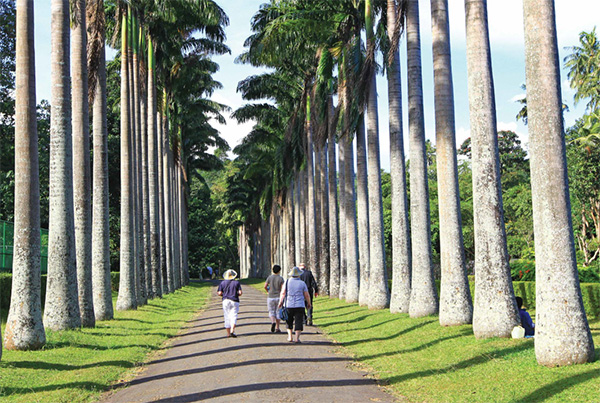
- Royal Botanical Gardens, Peradeniya: A beautiful garden known for its tropical plants, orchid collection and tree-lined avenues.
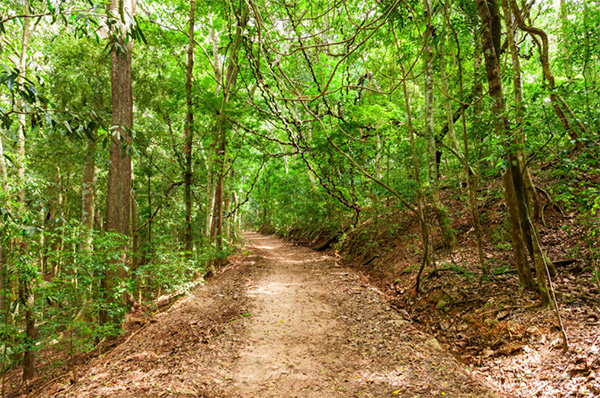
- Udawattakele Forest Reserve: A peaceful forest close to the city, ideal for nature lovers and birdwatchers.
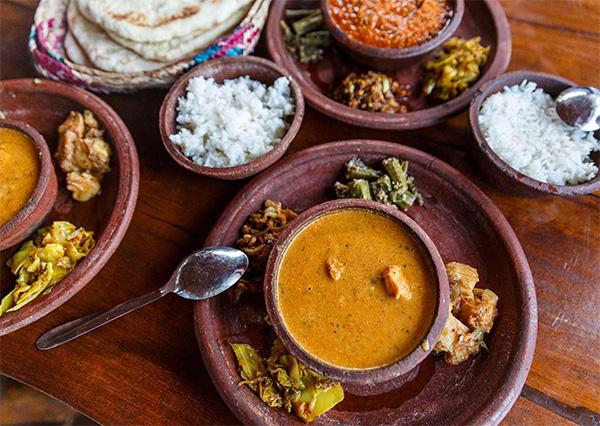
- Traditional Sri Lankan food: Try rice and curry, hoppers, string hoppers and other regional dishes at local restaurants.
- Kandyan cultural performances: See traditional dance, drumming and cultural presentations.
Together these give you a fuller picture of Kandy and its surroundings.
Why Travellers Should Put Kandy on the List
Sri Lanka is famous for tropical beaches, wildlife safaris, tea plantations and ancient cities. Kandy offers something different: a chance to experience the spiritual and cultural traditions that have shaped Sri Lankan society for centuries. Walking through the temple grounds, watching devotees make flower offerings, listening to the drums and exploring old religious buildings creates a real connection with the country.
For first-timers, it’s also a great place to grasp the island’s cultural diversity. Buddhist heritage, Hindu-rooted religious traditions, Kandyan architecture, traditional arts and the story of the last Sri Lankan kingdom all come together here. So Kandy is more than a stopover between Colombo and the hill country. Give it time.
Kandy is where history, faith and culture meet. From the Temple of the Tooth and the daily puja ceremonies to the ancient Devales and the Esala Perahera, the city connects you to the heart of Sri Lanka’s identity.
If you want to see the island’s cultural core, this is the place. Religious traveller, history buff, photographer or just someone curious about other cultures, you’ll find something meaningful here. Come for the landmarks, and stay for the traditions, devotion and hospitality that make Sri Lanka special.
Frequently Asked Questions
1. Why is Kandy called the Sacred City of Sri Lanka?
Because it’s home to the Temple of the Sacred Tooth Relic, one of the most important Buddhist sites in the world. It was also the last capital of Sri Lanka’s Sinhala kings.
2. What is Kandy famous for?
The Temple of the Tooth, Kandy Lake, the Esala Perahera, traditional Kandyan dancing, historical temples and its hill-country setting.
3. What is the main religious attraction in Kandy?
The Temple of the Sacred Tooth Relic, also called Sri Dalada Maligawa.
4. What is puja in Sri Lanka?
A religious offering or act of devotion. In Sri Lankan Buddhist temples, devotees commonly offer flowers, incense and oil lamps as a sign of respect and faith.
5. When is the Kandy Esala Perahera celebrated?
Traditionally in July or August. The exact dates change each year with the lunar calendar.
6. How much time should I spend in Kandy?
Two days is enough for most visitors to see the Temple of the Tooth, Kandy Lake, historical landmarks and nearby cultural attractions.
7. Is Kandy worth visiting for international tourists?
Yes. It’s an excellent destination if you’re interested in Sri Lankan history, Buddhist culture, traditional architecture, religious ceremonies and cultural festivals.
8. Can non-Buddhists visit the Temple of the Tooth?
Yes. Visitors of any religion can go, as long as they follow the entrance guidelines, dress code and religious etiquette.
9. What should I wear when visiting the Temple of the Tooth?
Modest clothing that covers your shoulders and knees. Shorts, sleeveless tops and revealing clothing aren’t permitted.
10. Is Kandy a UNESCO World Heritage Site?
Yes. The Sacred City of Kandy was inscribed on the UNESCO World Heritage List in 1988.
Related articles
- Restaurants in Kandy
- Getting Around Sri Lanka
- Sri Lanka Train Travel
- Is the Kandy to Ella Train Worth It?
- 10 Days in Sri Lanka
- Private Driver in Sri Lanka
- Best Restaurants in Kandy