
Ask anyone who has travelled around Sri Lanka what they remember most, and a train ride often makes the list. A bus or a hired car gets you from A to B. A train lets you watch the country go by, with its villages, tea estates, misty hills and ordinary daily life.
The network runs from the crowded platforms of Colombo Fort up to the green tea country in the central highlands. The Kandy to Ella line gets most of the international attention, thanks to its mountain views, waterfalls, tea estates and old railway bridges. But there’s a lot more to Sri Lankan rail travel than that one route, and knowing how classes, tickets and routes work will save you plenty of hassle. This guide covers the lot, whether it’s your first visit or you’re a seasoned independent traveller.
Travel update, 9 November 2026: The Kandy to Ella route has been badly disrupted since Cyclone Ditwah and the railway damage that followed. Don’t assume the full through journey is running. Check current railway notices and see which sections are open before you plan anything. Alternatives are covered below.
Why Travel by Train in Sri Lanka?
Sri Lanka is a small country, but the scenery changes fast as you move around it. A train lets you take that in slowly. On a hill-country trip you’ll pass green mountains, tea plantations, tiny stations, deep valleys and pretty villages.
Here’s why people love it.
The scenery is hard to beat. The hill-country line is famous for tea estates, mountains, forests, waterfalls and valleys. The stretch between Nanu Oya and Ella is especially good.
It’s easy on the wallet. Ordinary train tickets can cost far less than hiring a private vehicle for a long trip. With several classes on offer, backpackers, families and independent travellers can all find something that fits their budget.
You see real local life. You’ll be sitting alongside commuters, students, workers and families. At stations, vendors sell snacks, fresh fruit and traditional refreshments. It’s a good introduction to Sri Lankan culture.
There’s history in it. The network dates back to the British colonial period, and many stations, bridges and stretches of track reflect that engineering story.
It’s relaxing. You can sit back, take photos and let someone else deal with the traffic. If you like slow travel, a hill-country rail trip could easily be the highlight of your holiday.
How the Sri Lankan Railway System Works
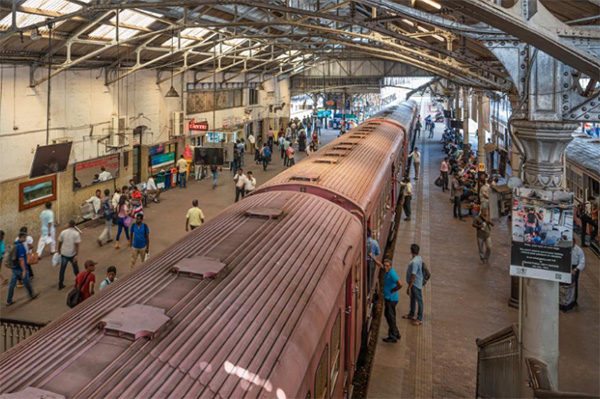
Sri Lanka Railways, a government department, runs both passenger and freight services. The network links Colombo with major cities, regional towns and tourist spots. Colombo Fort is one of the most important stations and the starting point for many journeys across the island.
| Railway line | Important destinations |
|---|---|
| Main Line | Colombo, Kandy, Nanu Oya, Ella, Badulla |
| Matale Line | Kandy, Matale |
| Northern Line | Anuradhapura, Jaffna |
| Coastal Line | Colombo, Galle, Matara, Beliatta |
| Puttalam Line | Colombo, Negombo, Puttalam |
| Batticaloa Line | Polonnaruwa, Batticaloa |
| Trincomalee Line | Trincomalee |
| Kelani Valley Line | Colombo, Avissawella |
These lines connect you with many popular destinations:
- Kandy is a major stop for cultural tourism.
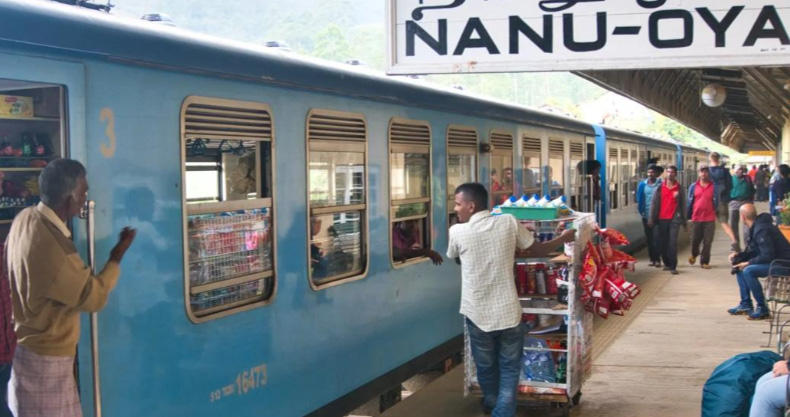
- Nanu Oya is the railway gateway to Nuwara Eliya.
- Ella is known for mountain scenery and hiking.
- Galle is famous for its historic Dutch Fort.
- Anuradhapura is known for its ancient Buddhist heritage.
- Jaffna offers a different cultural and historical experience in the north.
Tip: Not every attraction has a station nearby. You’ll often need a tuk-tuk, taxi or private vehicle for the last leg.
Sri Lanka Train Classes Explained
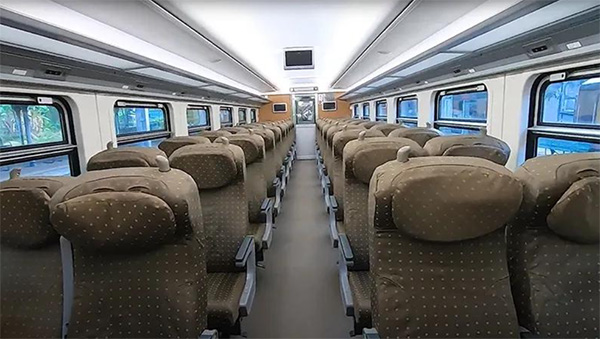
Choosing a class is one of the biggest decisions you’ll make. Trains generally offer first, second and third class, though what’s available depends on the train and the route. Each gives you a quite different experience.
First class: more comfort
First class suits people who want an easier ride. Depending on the service, you might get air-conditioned carriages, observation saloons or sleeping berths. The upsides are:
- More comfortable seating on applicable services
- Air conditioning on selected trains
- A quieter, more controlled environment
- Reserved seating on applicable services
The catch is that air-conditioned carriages have closed windows. If you want open-window photos and fresh mountain air, second class on a suitable train may suit you better.
Second class: a favourite with tourists
Second class strikes a nice balance between comfort and the traditional Sri Lankan train experience. Depending on the train, seating may be reserved or unreserved. You can expect:
- Comfortable seating on many services
- Openable windows on many non-air-conditioned carriages
- Good photo opportunities
- A lively local atmosphere
- Reserved seating on selected trains
For many visitors, reserved second class is the sweet spot between comfort, scenery and price.
Third class: the budget option
Third class is usually the cheapest way to travel. Local commuters and short-distance passengers use it a lot. The upsides are:
- Lower ticket costs
- An authentic local experience
- Plenty of chances to chat with local passengers
- Unreserved accommodation and, on selected trains, reserved accommodation
It can get packed, especially on weekends, public holidays and busy tourist periods. If you’re travelling with kids, big suitcases or older relatives, book reserved accommodation where you can.
Reserved vs unreserved tickets
This matters as much as the class you pick.
A reserved ticket gives you an allocated seat for the booked journey, subject to the service and ticket conditions.
An unreserved ticket lets you travel on the specified service, or within the ticket conditions, without a guaranteed seat. If the train is full, you may end up standing for part of the trip.
On a long hill-country journey, a reserved seat is usually the better bet.
How to Book Sri Lanka Train Tickets Online
It’s worth booking ahead, especially for popular routes. Sri Lanka Railways runs an official online seat reservation service. It covers selected trains and routes, including services involving Kandy, Badulla and Ella, subject to current operations.
Booking step by step
- Visit the official website. Open the Sri Lanka Railways seat reservation site.
- Create an account. Register with the required personal details and a valid email address.
- Pick your journey. Choose your departure station, arrival station and travel date.
- Choose a class. Select from the classes and services shown for your journey.
- Enter passenger details. You’ll need passport or identification information.
- Pay. Use any available payment method.
- Get your e-ticket. After a successful payment, your confirmation should arrive electronically. Keep it handy on your phone or carry a printout.
How far ahead can you book? According to the official reservation FAQ:
- Reservations can be made up to 30 days before travel.
- Online reservations can be made up to two hours before departure, subject to availability.
- You can book a maximum of five seats in one transaction.
- Seats are assigned automatically, so you can’t pick your own.
- A 5% online convenience fee applies.
These rules apply to the online reserved-seat service, not to every type of railway ticket.
Watch out for unofficial booking sites. Some third-party sites advertise train reservations and may add extra fees. Sri Lankan authorities have specifically advised visitors to use the official platform for advance seat reservations. If you do use a third party, find out whether it’s an authorised reservation service or just a travel agency buying tickets on your behalf.
Can You Buy Tickets at the Station?
Yes. You can buy ordinary tickets at railway stations, subject to available services and ticket conditions. That works well if:
- Your schedule is flexible.
- Reserved seats have sold out.
- You’re making a shorter journey.
- You’re travelling outside peak tourist periods.
An ordinary ticket doesn’t automatically come with a reserved seat, though. For popular long-distance journeys, it’s better to arrange reserved seating in advance where possible.
Digital tickets. Sri Lanka has also introduced digital ticket purchasing through the Pravesha platform. The Ministry of Transport describes it as covering selected second- and third-class tickets, with QR-code tickets delivered electronically. It’s separate from advance reserved-seat booking, so check current route coverage and availability before relying on it.
Sri Lanka Train Ticket Prices
Train tickets in Sri Lanka are generally cheap compared with many international railway systems, but there’s no single price. It depends on:
- Your departure and arrival stations
- The train service
- Your class
- Whether the ticket is reserved or unreserved
- Any reservation or online convenience fees
For accurate prices, check the official railway information or the ticket counter for your route. Also keep the basic fare and the reserved-seat fare apart in your head, because they aren’t necessarily the same charge.
One published fare reference lists reserved-seat fares from Colombo Fort to Ella:
| Class | Published reservation fare |
|---|---|
| First class | LKR 2,800 |
| Second class | LKR 1,800 |
| Third class | LKR 1,300 |
These are reservation charges, not necessarily the full cost of the trip. The reference says they took effect on 1 August 2022, so verify current charges before you book. And don’t trust old online price lists when you’re working out a budget, because fares and reservation charges can change.
The Famous Kandy to Ella Train Journey
This is the route that put Sri Lanka on the scenic-rail map, especially for international visitors. It runs from Kandy through the hill country towards Ella and Badulla. On a normal, uninterrupted day, it takes roughly six to seven hours, depending on the train, timetable and operating conditions.
As of 9 November 2026, though, don’t plan it as a direct Kandy-to-Ella train unless you’ve confirmed the whole route has reopened.
After Cyclone Ditwah, major sections of the hill-country line were damaged. More recent updates reported that the Nanu Oya to Badulla section had reopened, while Kandy to Nanu Oya remained disrupted. There was also a later suspension affecting services beyond Rambukkana towards Peradeniya and Gampola.
So, is the Kandy to Ella train running? It depends which part you mean:
- Kandy to Nanu Oya: don’t assume a through train is available.
- Nanu Oya to Ella: reported operational after reopening in June 2026.
- Ella to Badulla: included in the reopened section.
Check the latest official timetable and announcements before you travel.
The workaround: If the Kandy to Nanu Oya section is closed, go by road. Nanu Oya is the station for Nuwara Eliya, and from there you can catch an available train towards Ella, subject to the current timetable. You still get the best of the hill-country railway without relying on the closed section. Consider staying overnight in Nuwara Eliya rather than cramming everything into one day.
The Prettiest Stops Along the Hill-Country Line
Even when the whole route is running, the variety of places along the way is half the appeal.
Nanu Oya: gateway to Nuwara Eliya. The town is known for its cool climate, colonial architecture, tea plantations and gardens. Top attractions include Gregory Lake, Victoria Park, Pedro Tea Estate, Hakgala Botanical Garden and the town centre. The station sits outside the main town, so arrange a tuk-tuk or taxi.
Pattipola: one of Sri Lanka’s highest stations. It’s known for its elevation and cool mountain air, with green hills, mist and tea plantations all around. The line climbs through tough terrain here, which shows off the engineering behind the up-country railway.
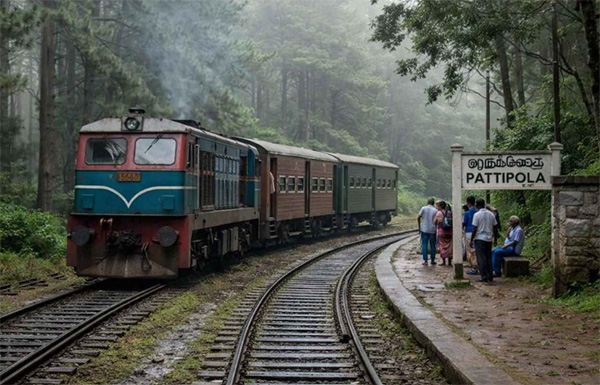 one of Sri Lanka’s highest stations
Ohiya: mountain scenery. A small station surrounded by misty mountains and forest, with access to the Horton Plains region. It’s a good base for hiking, photography and nature.
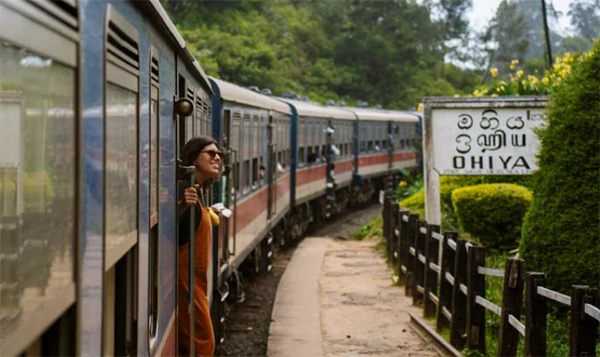 Ohiya is a small railway station surrounded by spectacular natural scenery.
Haputale: tea and panoramic views. This hill town is ringed by tea estates and dramatic mountain views. Its best-known spot is Lipton’s Seat, a viewpoint tied to the history of Ceylon tea. You can also visit Dambatenne Tea Factory, the town itself and the local plantations.
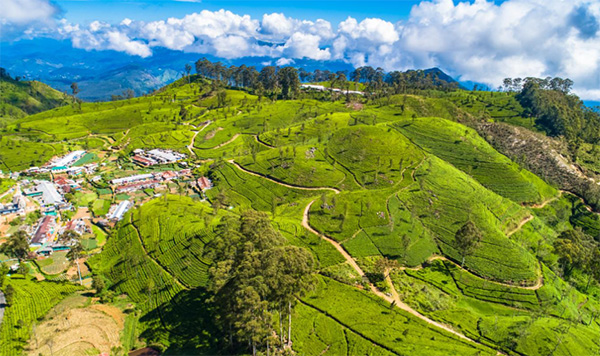 Haputale is a beautiful hill-country town surrounded by tea estates and dramatic mountain views
Ella: a traveller favourite. Ella is famous for mountain scenery, waterfalls, hiking and a relaxed atmosphere. Popular sights include Nine Arch Bridge, Little Adam’s Peak, Ella Rock, Ravana Falls and Diyaluma Falls (a day trip). Many travellers stay at least two nights.
Demodara: the railway loop. The line passes through a loop that lets the train handle steep terrain. Demodara station and the nearby Nine Arch Bridge are among the most photographed railway spots in the country.
Nine Arch Bridge: A Must-See
Nine Arch Bridge is one of Sri Lanka’s most recognisable attractions. The historic stone bridge sits near Ella among lush vegetation and tea-covered hills, and it’s famous for its nine large arches. Many visitors come to photograph trains crossing it.
If you’re staying in Ella, you can reach it by tuk-tuk or on foot, depending on where you’re staying and which route you prefer. Photographers love it. But it’s an active railway structure, so keep these points in mind:
- Don’t stand on the tracks when a train approaches.
- Follow local safety instructions.
- Don’t block railway operations.
- Stay away from unsafe edges and steep slopes.
- Don’t assume a train will arrive at a particular time. Check the current timetable.
Which Side Should You Sit On?
Travellers ask this all the time. On the traditional Kandy to Ella route, the scenery keeps changing as the train passes valleys, slopes and tea plantations, so both sides can be lovely. Some people prefer the left on certain sections, others the right, but no side is the best for the whole trip.
My advice is to enjoy the view from the seat you’ve been given instead of stressing about the perfect side. In a suitable non-air-conditioned carriage, you may be able to open windows and take photos. Whatever you do, follow railway safety rules and never lean out of the train or sit in an open doorway while it’s moving.
Best Time to Travel by Train in Sri Lanka
You can visit all year, but weather varies by region. The hill country is cooler than the coast, and rain can affect both visibility and train operations.
- January to March: often good for the central highlands, with clearer mountain views, though the weather can still turn.
- April: popular because of the Sinhala and Tamil New Year holidays. Stations and popular trains get crowded, so book reserved seats early where available.
- May to September: the southwest monsoon shapes the weather. The hill country can see rain, so keep your itinerary flexible.
- October to November: unsettled weather in different parts of the country. Heavy rain and landslides can occasionally disrupt trains, so check announcements before you go.
- December: a popular time for international tourism, especially in the hill country and on the southern coast. Book accommodation and train seats early if you’re travelling over Christmas and New Year.
Keep in mind that weather and train operations are different things. Even in the dry season, maintenance or unexpected incidents can affect services.
Essential Tips for Train Travel in Sri Lanka
A bit of prep goes a long way.
- Book reserved tickets early. Popular services can sell out fast, especially in busy periods. Check the official site as soon as your dates are set.
- Get to the station early. Aim for at least 30 minutes before departure. Big stations are busy, and finding your platform can take a while.
- Carry some cash. Digital payments are spreading, but cash is still handy at smaller stations and for snacks.
- Pack light. Trains can get crowded, and big suitcases are hard to manage, especially in unreserved carriages. If you have lots of bags, arrange luggage storage or a vehicle transfer.
- Bring water and snacks. Journeys can take hours, especially if you have particular dietary needs.
- Keep valuables secure. Passport, phone and wallet belong in a secure bag, particularly in crowded carriages.
- Check the timetable before you leave. Schedules change because of maintenance, weather and operational issues. Use the official timetable instead of an old travel blog.
- Stay flexible. Delays happen. Don’t plan an important flight right after a long train ride, and leave room for surprises.
- Respect local passengers. These are public transport services used by thousands of locals. Don’t spread your luggage over several seats, play loud music or disturb others.
- Enjoy it. Put your phone down now and then, watch the scenery and soak up everyday Sri Lankan life.
Train vs Private Driver
It depends on your itinerary, budget, travel style and destinations.
| Feature | Train travel | Private driver |
|---|---|---|
| Cost | Usually economical | More expensive |
| Flexibility | Fixed timetable | Flexible |
| Scenic experience | Excellent on selected routes | Depends on road |
| Luggage convenience | Can be challenging | More convenient |
| Door-to-door travel | No | Yes |
| Best for | Scenic journeys and budget travel | Multi-stop itineraries |
| Travel time | Depends on railway schedule | Depends on road conditions |
Go by train if you love scenery, have a tight budget, want a taste of local culture, have a flexible plan, or are visiting places on the rail network.
Hire a driver if you’re travelling with family, have several big suitcases, want to see multiple attractions in a day, have limited holiday time, or need flexible transport between destinations.
You can also mix the two, and many travellers do. For example, you could travel by road from Kandy to Nanu Oya, ride the available scenic train section towards Ella, then use a private driver for places the railway doesn’t reach.
For more on this, read our guide:
Should I Hire a Private Driver in Sri Lanka?
Other Great Train Journeys Besides Kandy to Ella
If you can’t book the famous hill-country ride, these routes are worth a look.
Colombo to Kandy. This links the commercial capital with one of the island’s key cultural destinations. Kandy is known for the Temple of the Sacred Tooth Relic, Kandy Lake and traditional cultural attractions. The trip normally takes around 2.5 to 3 hours, depending on the service and conditions. It’s a handy option if you’d rather not hire a vehicle. Current note: check the operational status of the rail connection to Kandy before buying tickets.
Colombo to Galle. A lovely coastal ride along Sri Lanka’s southern shoreline. In places the track runs right beside the Indian Ocean, with views of fishing villages, beaches and coastal towns. Galle itself is worth the trip for its historic Dutch Fort, charming streets and colonial architecture.
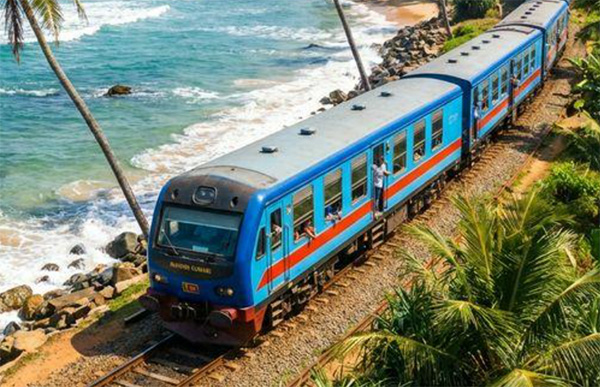 The coastal railway journey from Colombo towards Galle is a beautiful experience for visitors interested in Sri Lanka’s southern coastline
Colombo to Jaffna. The northern line shows you a different side of the country. Jaffna is known for its distinctive Tamil culture, traditional food, historic temples and northern landscapes. Top sights include Nallur Kandaswamy Kovil, Jaffna Fort, Jaffna Public Library, Casuarina Beach and Keerimalai. It’s ideal if you want to go beyond the usual southern and hill-country routes.
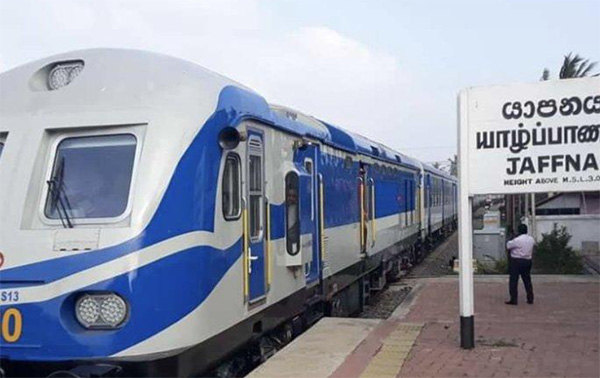 The northern railway journey provides an opportunity to discover a different side of Sri Lanka
Colombo to Anuradhapura. One of Sri Lanka’s most important ancient cities, and the train is a convenient way towards the Cultural Triangle, with its Buddhist monuments, stupas and archaeological sites. A great pick if you’re into history and heritage.
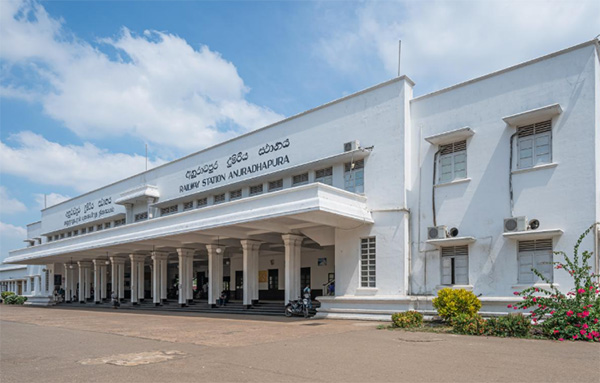 Anuradhapura is one of Sri Lanka’s most important ancient cities
What to Pack
Train travel here is fairly straightforward, but a few essentials help.
- Passport: keep it secure and within reach.
- Train ticket: save the e-ticket or carry a printout.
- Drinking water: a must on longer journeys.
- Snacks: useful on multi-hour trips.
- Camera or smartphone: for the scenery.
- Power bank: for when your phone battery runs low.
- Light jacket: mountain areas get cool, especially early morning and evening.
- Small backpack: easier to handle than big luggage.
- Hand sanitiser and tissues: for general hygiene.
- Cash: for small purchases and local transport.
If you plan to photograph the scenery, a camera with a comfortable strap helps.
Is Train Travel Safe for Tourists?
In general, yes. Thousands of locals use the network every day, and it’s a common, practical way for tourists to get around. As on any public transport, take sensible precautions:
- Keep your belongings close.
- Don’t lean out of moving trains.
- Never stand on the tracks for photos.
- Follow instructions from railway staff.
- Don’t board a moving train.
- Take care getting on and off crowded trains.
- Keep children away from open doors and unsafe areas.
- Check official announcements if bad weather hits your route.
One point for international visitors: those famous photos of people sitting in open train doorways don’t show a safe way to travel. Enjoy the views from a secure position inside the carriage.
A Sample 10-Day Itinerary
If you’ve got about 10 days, you can weave rail travel into a wider trip. Here’s one way to combine trains and road transport.
| Day | Destination | Suggested transport |
|---|---|---|
| 1–2 | Sigiriya and Cultural Triangle | Private vehicle |
| 3–4 | Kandy | Road transport, subject to railway status |
| 5 | Nuwara Eliya | Road transfer to Nanu Oya |
| 6 | Ella | Scenic train from Nanu Oya, if operating |
| 7 | Ella | Local transport and sightseeing |
| 8 | Yala National Park | Private vehicle |
| 9 | Mirissa | Private vehicle |
| 10 | Galle and Colombo | Private vehicle |
This plan covers culture, hill-country scenery, wildlife and southern beaches. Adjust the rail section to whatever services are actually running on your dates.
For a more detailed travel plan, see:
10 Days in Sri Lanka: The Ultimate Itinerary for Travel
Frequently Asked Questions
1. Is travelling by train in Sri Lanka worth it?
Yes. It’s one of the best ways to see the country’s landscapes and local culture. The hill-country line offers beautiful views of tea plantations, mountains, valleys and historic railway structures.
2. What is the most scenic train journey in Sri Lanka?
The traditional Kandy to Ella route is widely considered the most scenic, and the Nanu Oya to Ella section is especially beautiful.
3. Is the Kandy to Ella train running in November 2026?
Don’t assume the full through journey is operating. After railway damage and service disruptions in 2026, the Nanu Oya to Badulla section was reported to have reopened, while the Kandy side remained disrupted in the latest updates available for this guide. Check official railway announcements before you travel.
4. How long does the Kandy to Ella journey take?
Under normal through-service conditions, about six to seven hours, depending on the train and timetable. With the current disruptions, don’t use that figure for planning until the full route is confirmed open.
5. How can I book train tickets in Sri Lanka?
You can book selected reserved seats on the official Sri Lanka Railways website (https://seatreservation.railway.gov.lk/). You can also buy applicable ordinary tickets at stations.
6. How far in advance can I book?
The official online seat reservation service allows bookings up to 30 days before the travel date, subject to availability.
7. Which class is best for tourists?
Reserved second class is popular because it can balance comfort, scenery and cost. First class suits travellers who want extra comforts, and third class is the budget option.
8. First or second class for Kandy to Ella?
If you want open-window scenery, a non-air-conditioned second-class carriage is a good choice. First class may be more comfortable depending on the service, but the carriage facilities matter more than the class name.
9. Can foreigners book train tickets online?
Yes. Foreign visitors can use the official service. You’ll need to provide the required passenger identification details and complete payment.
10. Can I buy tickets at Colombo Fort Railway Station?
Yes, applicable tickets are sold there. Reserved seating depends on availability and the reservation arrangements for the particular train.
11. Are the trains air-conditioned?
Some first-class services are. Many second- and third-class services are not.
12. Can I travel from Colombo to Ella by train?
Under normal conditions, yes, via the Main Line towards Badulla. But railway damage and service interruptions in 2026 have affected through services, so check the latest route availability first.
13. Can I take large suitcases?
You can travel with luggage, but big suitcases are hard to manage in crowded carriages. Smaller bags are easier, especially in unreserved accommodation.
14. Is there Wi-Fi on the trains?
Don’t count on it. Mobile coverage can also vary, especially in the mountains.
15. Are the trains on time?
Delays can happen because of weather, track conditions, maintenance and operational issues. Leave extra time for onward transport and connecting plans.
16. What’s the best month for the Kandy to Ella journey?
January to March can offer pleasant weather for the hill country. Weather varies, though, and you should always check train operations separately.
17. Is the Nanu Oya to Ella journey worth it?
Yes. When it’s running, it passes tea plantations, mountain landscapes and picturesque railway spots, and it’s a great alternative if you can’t use the full Kandy to Ella route.
18. Can I travel from Kandy to Ella by road?
Yes. You can arrange private transport or other road services between Kandy and Ella. If you still want the scenic railway, travel to Nanu Oya and catch an operating train towards Ella.
Train travel in Sri Lanka is about more than getting somewhere. It’s a way to take in the island’s natural beauty, its railway history and everyday local life, from the coastal lines in the south to the mountain scenery of the central highlands.
The Kandy to Ella journey deserves its reputation, but always check railway operations before you plan around it. If the full route is closed, going by road to Nanu Oya and taking an operating train towards Ella can still give you a wonderful hill-country experience.
Backpacker, couple, family or solo traveller, the network is a great way to discover the country. Take your time, enjoy the scenery, and see Sri Lanka one station at a time.
Related articles
- 10 Days in Sri Lanka
- Best Time to Visit Sri Lanka
- Should I Hire a Private Driver?
- How Much Money Do I Need for Sri Lanka?
- How Many Days in Sigiriya?
- Is 10 Days Enough for Sri Lanka?
Official sources
Editor – Jursika sewwandi